The Operating Theater Never Closes I spent most of the 2000s managing infrastructure at a financial services company. We ran systems that processed transactions worth billions daily. The network never shut down. The databases never went dark. When you’re responsible for that kind of operation, you develop a particular kind of respect for boring things: …


The Stability Milestone That Actually Matters OpenTelemetry just crossed a threshold that most people in the industry will underestimate. The project hit 1.0 stable specification status across all three signal types—traces, metrics, and logs—with production-ready SDKs across major languages. This is not a minor version bump. This is the moment when a technology stops being …
The 3am Page That Changed Everything Three years ago, I got paged at 3am because our payment service was timing out. The culprit wasn’t the database or some memory leak. It was a cascade failure triggered by a single service making synchronous HTTP calls to twelve other services, each with a 30-second timeout. One slow …
The Federal Hammer Falls When the White House cybersecurity guidelines dropped in February 2026, most C++ shops thought they had breathing room. Two years to transition critical systems felt generous. They were wrong. The mandate requires all federal contractors to show memory-safe implementations for critical infrastructure by 2028. Not partial migrations. Not gradual rollouts. Complete …
The Friday Deploy That Taught Me Everything Three years ago, I pushed a “simple” configuration change to production at 4:47 PM on a Friday. Our CI/CD pipeline had been running smoothly for months. Green builds, clean deployments, happy users. Then our main database connection started timing out, and I spent the weekend in a coffee …
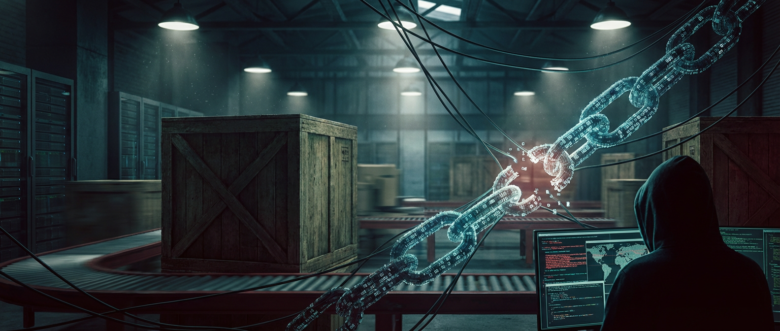
The Anatomy of a Modern Supply Chain Attack The DependencyDrift campaign that surfaced in January should have been a wake-up call for anyone still treating package managers like trusted repositories. One hundred twenty-seven compromised NPM packages. 2.3 million downloads. Names that looked legitimate enough to slip past code reviews and automated scanning tools. The DependencyDrift …